Why Is SEO Important for a Website? Benefits, Types, and Best SEO Tools
Learn why SEO matters for website growth. Explore SEO types, practical strategies, and tools to improve search visibility and attract organic traffic.
By Akash, , 6 min read
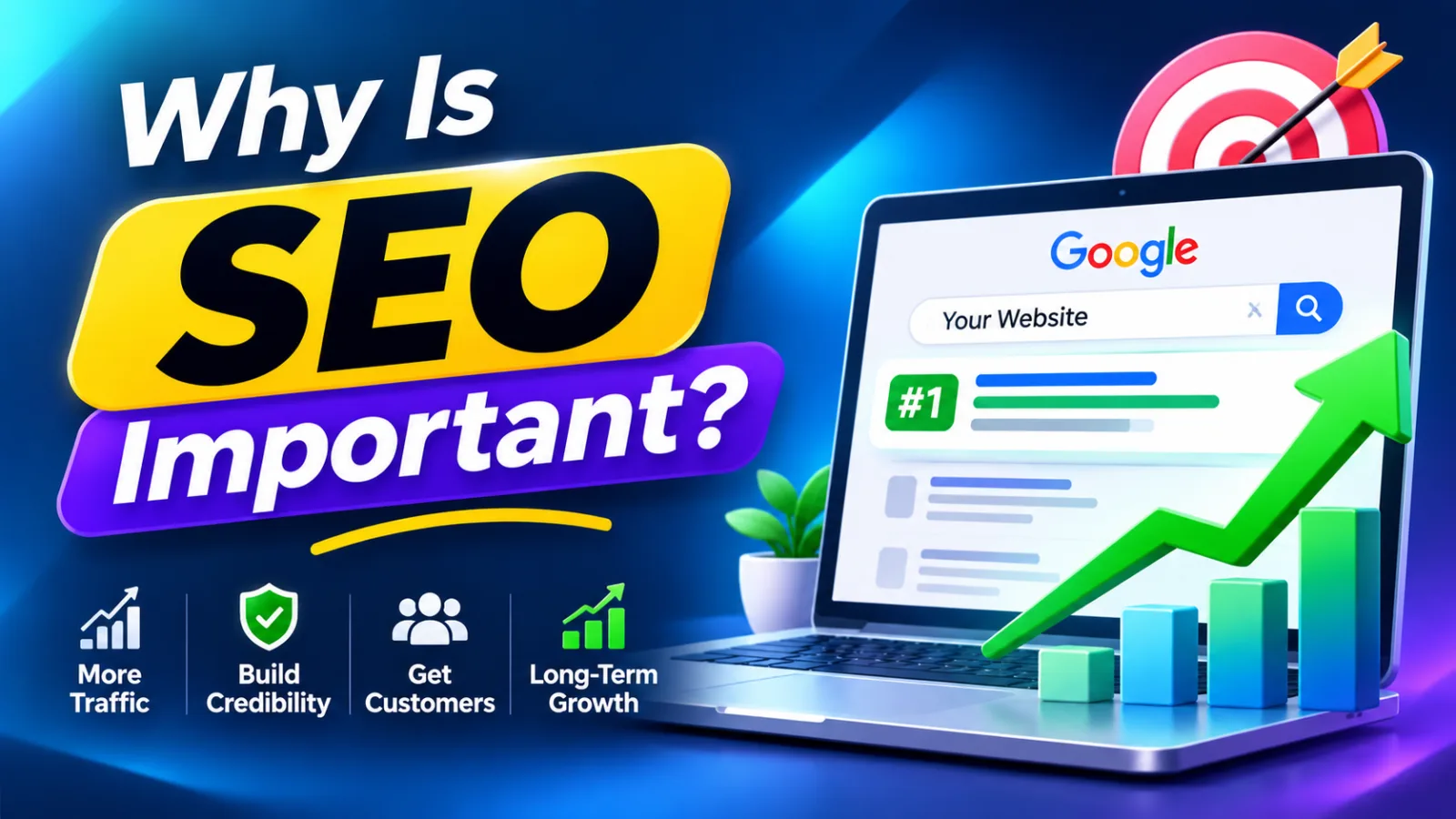
SEO (Search Engine Optimization) is one of the most important strategies for improving a website's visibility on search engines like Google, Bing, and Yahoo.
Whether you run a personal blog, business website, online store, or digital platform, SEO helps users discover your content when they search for relevant information, products, or services.
A well-optimized website can attract more organic traffic, improve user experience, build credibility, and generate more potential customers.
Without proper SEO, your website may struggle to appear in search results, making it harder for your target audience to find your content.
In this guide, we'll explain why SEO is important, explore the different types of SEO, and introduce some useful tools that can help improve your website's search engine performance.
What Kind of SEO Should You Do?
To improve your website's visibility and search engine performance, you should focus on four major areas of SEO:
-
On-Page SEO
-
Off-Page SEO
-
Technical SEO
-
Local SEO
Let's understand each type and how it helps your website.
1. On-Page SEO
On-page SEO focuses on optimizing the content and HTML elements of individual web pages to help search engines understand your content.
It also improves readability and makes your website easier for visitors to navigate.
Important On-Page SEO practices:
-
Optimize Page Titles: Write unique and descriptive SEO titles using relevant keywords.
-
Write Meta Descriptions: Create engaging meta descriptions that explain what users can expect from your page.
-
Use Proper Heading Tags: Organize your content with H1, H2, and H3 headings.
-
Create SEO-Friendly URLs: Use short, descriptive URLs that clearly represent your page content.
-
Improve Content Readability: Write useful, well-structured content with clear paragraphs and headings.
-
Add Internal Links: Connect related pages on your website to improve navigation and help search engines discover your content.
2. Off-Page SEO
Off-page SEO involves activities outside your website that help build its reputation, authority, and visibility.
These activities can help search engines understand how your website is recognized across the internet.
Important Off-Page SEO practices:
-
Build Quality Backlinks: Earn relevant links from trustworthy and authoritative websites.
-
Social Media Promotion: Share your website content on social media platforms to increase visibility and reach.
-
Guest Blogging: Publish valuable articles on relevant websites and build relationships within your industry.
-
Influencer Collaborations: Work with relevant creators and industry experts to expand your content's reach.
Remember, quality and relevance matter more than simply collecting a large number of backlinks.
3. Technical SEO
Technical SEO focuses on improving your website's technical structure so search engines can crawl, understand, and index your pages efficiently.
A technically optimized website also provides a better experience for visitors.
Important Technical SEO practices:
-
Improve Website Speed: Optimize images, reduce unnecessary scripts, and improve server performance.
-
Mobile-Friendly Design: Ensure your website works properly across smartphones, tablets, and desktop devices.
-
Create an XML Sitemap: Help search engines discover important pages on your website.
-
Configure robots.txt: Guide search engine crawlers regarding which areas of your website they can access.
-
Implement Structured Data: Use appropriate schema markup to help search engines understand your content.
-
Enable HTTPS: Secure your website with an SSL certificate to protect connections between your website and visitors.
4. Local SEO
Local SEO helps businesses improve their visibility in location-based search results.
It is particularly useful for businesses that serve customers in specific cities, towns, or geographical areas.
Important Local SEO practices:
-
Optimize Your Google Business Profile: Keep your business name, address, phone number, opening hours, and other information accurate.
-
Use Local Keywords: Include relevant location-based keywords in your website content.
-
Collect Customer Reviews: Encourage genuine customer feedback and respond professionally to reviews.
-
Maintain Business Information: Keep your contact details and business information consistent across online platforms.
Local SEO can help potential customers discover your business when searching for nearby products and services.
Best SEO Tools to Improve Website Rankings
Using the right SEO tools can make website optimization easier and help you identify opportunities for improvement.
Here are some useful SEO tools for website owners, bloggers, marketers, and developers.
1. Google Search Console
Google Search Console is a free tool from Google that helps website owners monitor their website's performance in Google Search.
Key features:
-
Monitor search impressions and clicks.
-
Analyze search queries and page performance.
-
Identify indexing issues.
-
Submit XML sitemaps.
-
Check website search visibility.
2. Ahrefs
Ahrefs is a popular SEO platform used for backlink analysis, keyword research, and competitor research.
Key features:
-
Backlink analysis.
-
Keyword research.
-
Competitor analysis.
-
Website auditing.
-
Organic search performance research.
3. SEMrush
SEMrush is an all-in-one digital marketing and SEO platform designed to help businesses improve their online visibility.
Key features:
-
Keyword research.
-
Competitor analysis.
-
SEO site audits.
-
Backlink analysis.
-
Organic traffic research.
4. Moz Pro
Moz Pro provides SEO tools that help website owners monitor search performance and identify optimization opportunities.
Key features:
-
Keyword tracking.
-
Link analysis.
-
Website audits.
-
Rank tracking.
-
SEO performance monitoring.
5. Ubersuggest
Ubersuggest offers keyword research and website analysis features for bloggers, marketers, and business owners.
Key features:
-
Keyword suggestions.
-
Search volume estimates.
-
Domain analysis.
-
Content ideas.
-
Competitor research.
6. Screaming Frog SEO Spider
Screaming Frog SEO Spider is a website crawling tool commonly used for technical SEO audits.
Key features:
-
Find broken links.
-
Analyze page titles and meta descriptions.
-
Identify missing image alt text.
-
Review URL structures.
-
Discover technical SEO issues.
7. Yoast SEO
Yoast SEO is a popular WordPress plugin that helps website owners optimize their content and manage important SEO settings.
Key features:
-
SEO title and meta description management.
-
Content readability analysis.
-
XML sitemap functionality.
-
Schema markup support.
-
SEO recommendations while editing content.
8. Toolszu Small SEO
Toolszu Small SEO offers a collection of free SEO tools designed to simplify everyday website optimization tasks.
It can be useful for bloggers, website owners, content creators, and digital marketers who need quick SEO utilities.
Key features:
-
Keyword analysis tools.
-
Meta tag generation.
-
SEO-related utilities.
-
Quick content optimization tasks.
It provides an accessible option for users who want to work with basic SEO tools without depending entirely on premium SEO platforms.
Why Is SEO Important for Long-Term Website Growth?
SEO is not just about ranking higher on search engines. It helps build a strong online presence and makes your website easier for potential visitors and customers to discover.
Here are some important benefits:
-
Increased Organic Traffic: Reach people searching for topics related to your website.
-
Better Online Visibility: Improve your chances of appearing in relevant search results.
-
Improved User Experience: Create well-structured, mobile-friendly, and easy-to-navigate pages.
-
Build Website Credibility: Useful content and a trustworthy online presence can help build audience confidence.
-
Generate Business Opportunities: Attract potential customers who are actively searching for your products or services.
-
Long-Term Growth: A consistent SEO strategy can help your website build sustainable organic visibility over time.
Conclusion: Start Optimizing Your Website with SEO
SEO plays an important role in building and growing a successful website. From improving search visibility to attracting organic traffic, a well-planned SEO strategy can help your website reach the right audience.
Start with the basics of on-page SEO, build your website's authority through quality content and relevant backlinks, improve technical performance, and focus on local SEO if your business serves a specific geographical area.
You don't need expensive tools to start. Free resources such as Google Search Console and Toolszu Small SEO can help you manage essential optimization tasks.
Final Recommendation: Focus on creating useful content, maintaining a technically healthy website, and consistently improving your SEO strategy. Over time, these efforts can help strengthen your website's search presence and support long-term growth.